India’s infrastructure sector is no longer defined solely by engineering expertise or the scale of projects under execution. As the industry embraces sustainable development, advanced technologies and long-term urban planning, leadership itself is evolving. Increasingly, organisations are recognising that building the infrastructure of tomorrow requires not only technical excellence but also diverse perspectives capable of driving innovation, resilience and long-term value creation.
This shift is gradually opening doors for more women to take on leadership roles in an industry that has traditionally been male dominated. While opportunities are expanding, the journey remains far from straightforward. Success often demands far more than technical competence, it requires resilience, strategic thinking, credibility earned through consistent performance, and the confidence to lead in environments where women continue to be underrepresented in decision-making roles.
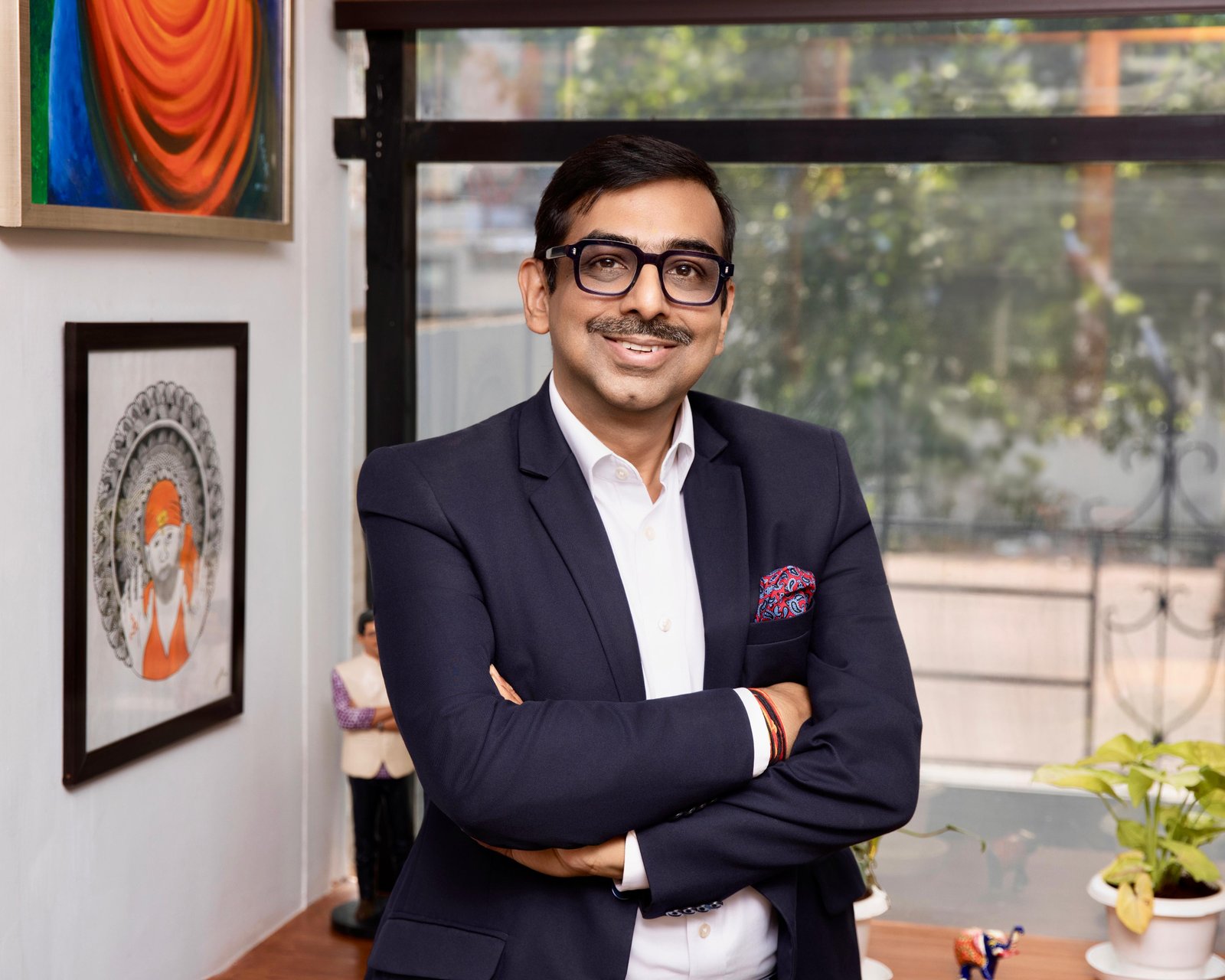
That changing landscape is reflected in the journey of Minal Srinivasan, Managing Director of Kesari Infrabuild. After building her career in the corporate sector, she chose to return to her family’s business with a larger purpose in mind. Rather than viewing infrastructure purely through the lens of construction and execution, she saw an opportunity to contribute to India’s sustainability agenda by helping build environmentally responsible infrastructure. For her, it was an opportunity to combine business growth with long-term environmental impact while taking forward the company’s legacy.
Like many women entering traditional industries, the initial challenge was not the work itself but overcoming preconceived notions about leadership. Instead of allowing those perceptions to define her journey, Srinivasan focused on building a deep understanding of the business, from its technical and operational complexities to its regulatory environment. Over time, that depth of knowledge helped establish her credibility, shifting the focus from assumptions to capability and results.
Her leadership philosophy reflects a broader shift taking place across the infrastructure sector. With an academic background spanning multiple disciplines and ongoing doctoral research focused on business scalability, Srinivasan approaches growth as a balance between operational excellence and long-term value creation. In an industry where projects span decades rather than quarters, that perspective has become increasingly relevant.
Beyond strategy and execution, she also believes leadership demands emotional resilience. Practices such as yoga and art, she says, help maintain perspective in a sector where decision-making often involves navigating uncertainty, multiple stakeholders and long project cycles. As infrastructure projects become larger and more complex, qualities such as composure, adaptability and emotional intelligence are emerging as important leadership traits alongside technical expertise.
Her advice to young women considering careers in infrastructure reflects that philosophy. “Believe in your perspective and don’t feel the need to tone it down just to fit in. Focus on building your capabilities, stay curious, and trust that you have something meaningful to contribute. Real transformation happens when women step into leadership with confidence and authenticity, instead of waiting for permission or validation from others,” she says.
As India accelerates investments in sustainable infrastructure, the sector is likely to witness greater diversity in leadership than ever before. The experiences of leaders like Minal Srinivasan suggest that the future of infrastructure will be shaped not only by engineering capability and project execution, but also by leaders who bring strategic thinking, resilience and a broader sense of purpose. In many ways, the changing face of infrastructure leadership reflects a larger transformation, one where inclusive leadership is becoming as important as the infrastructure being built.
<p>The post What It Takes for Women to Succeed in India’s Infrastructure Sector first appeared on Hello Entrepreneurs.</p>