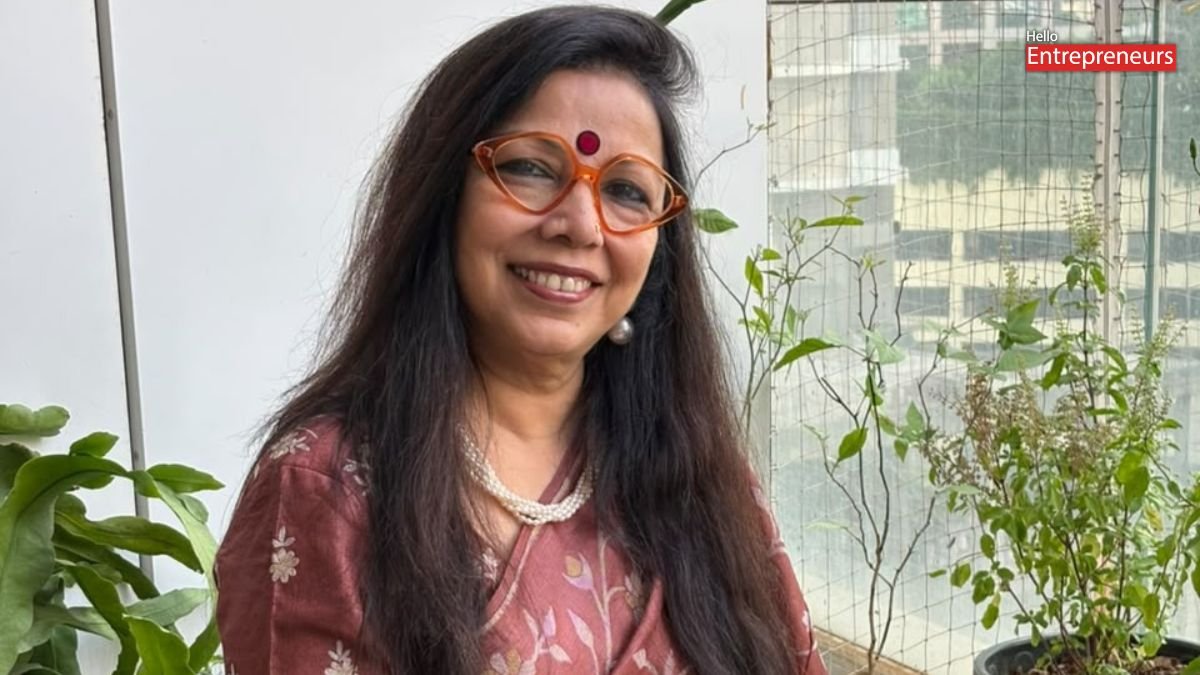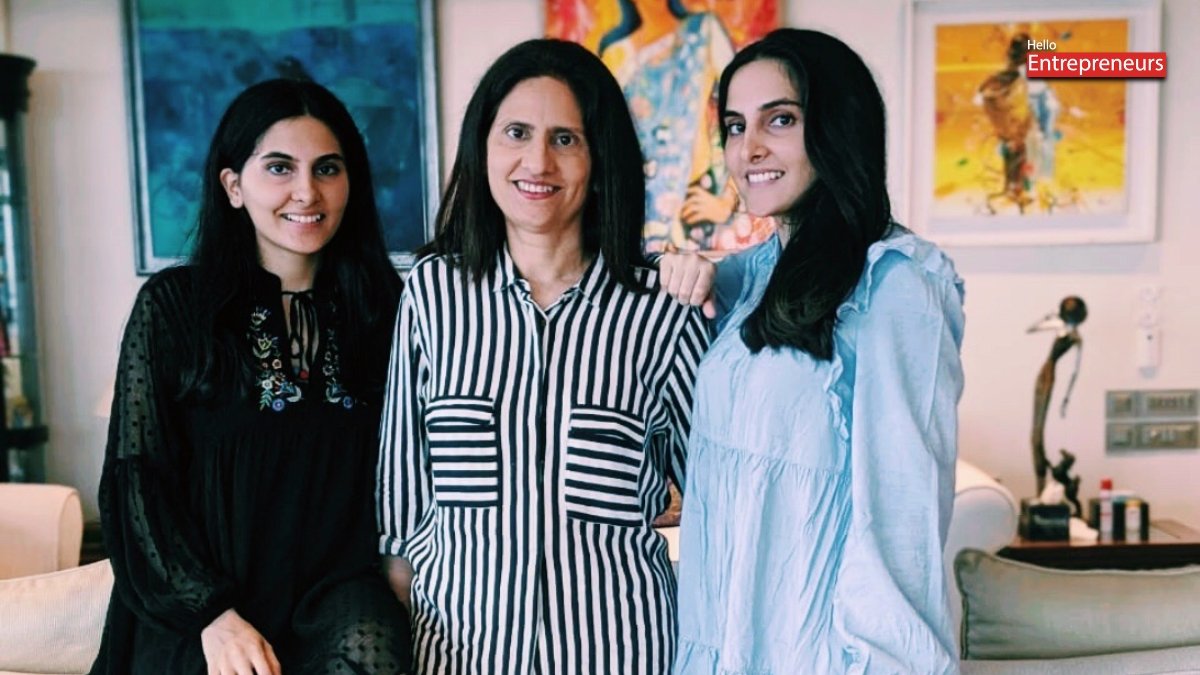
While many commercial films focus on box office numbers alone, Arora has consistently supported stories that reflect social issues, Indian culture and meaningful conversations. Over the years, she has become known for backing films that combine entertainment with a strong message, proving that content-driven cinema can also achieve commercial success.
Unlike many people in the Hindi film industry, Prerna Arora did not come from a film background. Her father is an agriculturalist, and she had no family connections in Bollywood. Yet, from a young age, she was fascinated by storytelling. She believed that a producer is the first person who brings a story to life, taking an idea from paper to the big screen. That belief became the foundation of her career.
The Indian film industry is one of the largest in the world. According to industry reports, India produces nearly 2,000 films every year across multiple languages, making it one of the biggest film-producing nations globally. At the same time, film production remains highly competitive, especially for women in leadership roles. Producers are responsible not only for financing films but also for managing scripts, casting, production, marketing and distribution. Succeeding in such an environment requires both creative vision and strong business skills.
The Producer Backing Stories That Spark Conversations
Prerna Arora has repeatedly shown that she is willing to take risks when she believes in a story. Rather than choosing projects that feel safe, she looks for scripts that leave a lasting impact. She believes that if a story continues to stay with her long after reading it, it deserves to be made.
Some of her most recognised productions include Toilet: Ek Prem Katha, Pad Man and Rustom. Each film addressed subjects that were uncommon in mainstream Bollywood. Toilet: Ek Prem Katha highlighted the issue of sanitation and open defecation, while Pad Man focused on menstrual hygiene and women’s health. Rustom, inspired by the famous K. M. Nanavati case, combined courtroom drama with a gripping thriller.
These films not only attracted audiences but also generated important public discussions. Toilet: Ek Prem Katha was praised for bringing attention to sanitation awareness, while Pad Man helped normalise conversations around menstrual health, a topic often considered taboo in many parts of India. Together, the films demonstrated that socially relevant subjects could succeed at the box office when presented in an engaging way.
For Arora, producing films has never been just about creativity. She also sees it as a responsibility. Every film involves investments worth several crores of rupees, making financial planning equally important. She believes that a producer must protect the story without losing control of the budget. According to her, smart execution matters more than expensive production, and careful planning can make a moderate budget look much bigger on screen.
Her journey has not been without challenges. Bollywood continues to be a competitive industry where producers deal with uncertainties every day. Scripts change, casting decisions evolve, release schedules shift and audience preferences can change overnight. As a young woman producer, she says she often had to work harder than others to prove her capabilities. Instead of allowing criticism to discourage her, she used it as motivation and focused on letting her work speak for itself.
The Indian entertainment industry has also changed significantly over the past decade. The rapid growth of OTT platforms has transformed viewing habits. Streaming services have expanded opportunities for storytellers while raising audience expectations. Viewers today have access to content from across the world, making them more selective about what they watch. Strong writing, authentic characters and fresh ideas have become more important than ever. Arora believes this shift has benefited producers who prioritise storytelling. According to her, audiences are now driven more by quality than by star power alone. Language barriers have reduced as dubbed and subtitled content reaches viewers across India and overseas. This has opened new possibilities for films rooted in Indian culture with global appeal.
Looking ahead, Prerna Arora wants to focus on larger stories inspired by India’s rich history, mythology and cultural heritage. One of her upcoming projects, Indraputra, is based on the mythology and spiritual traditions associated with Jagannath Puri. She believes such stories have the potential to connect with audiences worldwide while celebrating India’s cultural identity.
When asked how she hopes to be remembered a decade from now, Arora’s answer reflects her larger vision. She does not simply want recognition for producing successful films. Instead, she wants to be known as someone who changed conversations through cinema and created films that were commercially successful while carrying meaningful messages.
<p>The post Prerna Arora has built her identity as a film producer who believes cinema can do much more than entertain first appeared on Hello Entrepreneurs.</p>